Considering a move to River Hills for more space and privacy? You are not alone. Many executives choose this North Shore village for its estate lots, wooded buffers, and easy access to Milwaukee’s business and cultural centers. In this guide, you’ll learn what to expect from River Hills properties, how to plan a discreet search, and how to streamline your timeline from preview to close. Let’s dive in.
Why River Hills
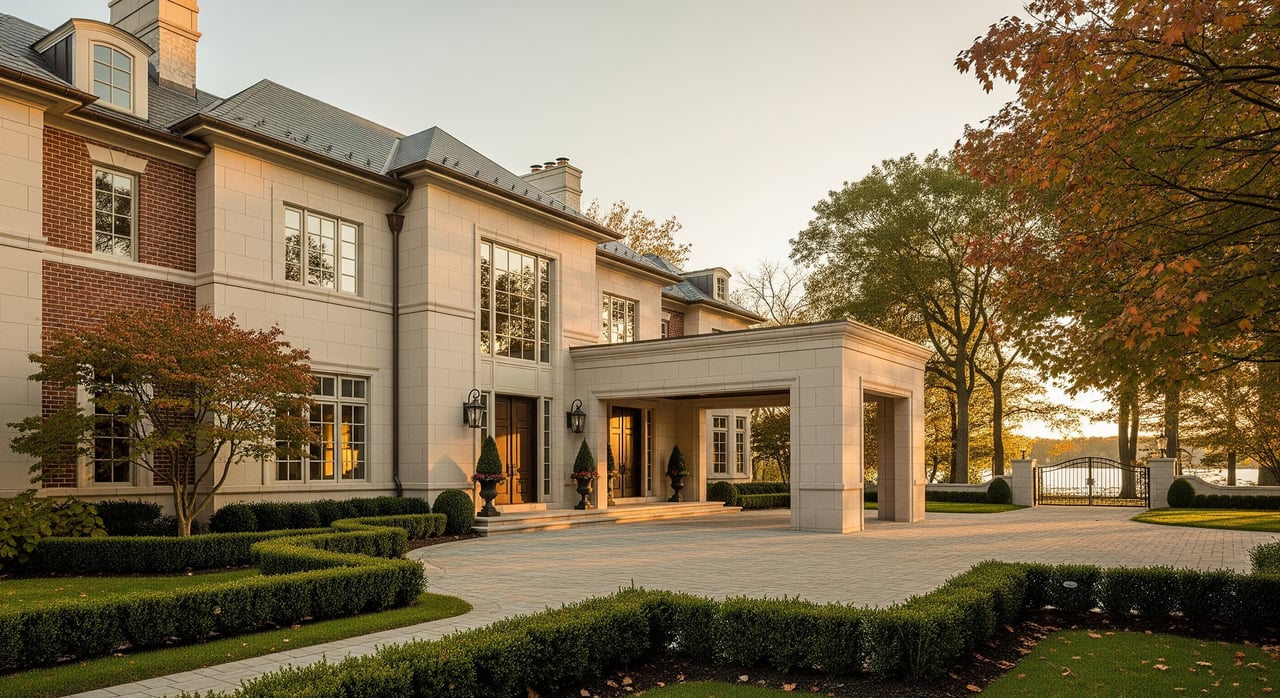
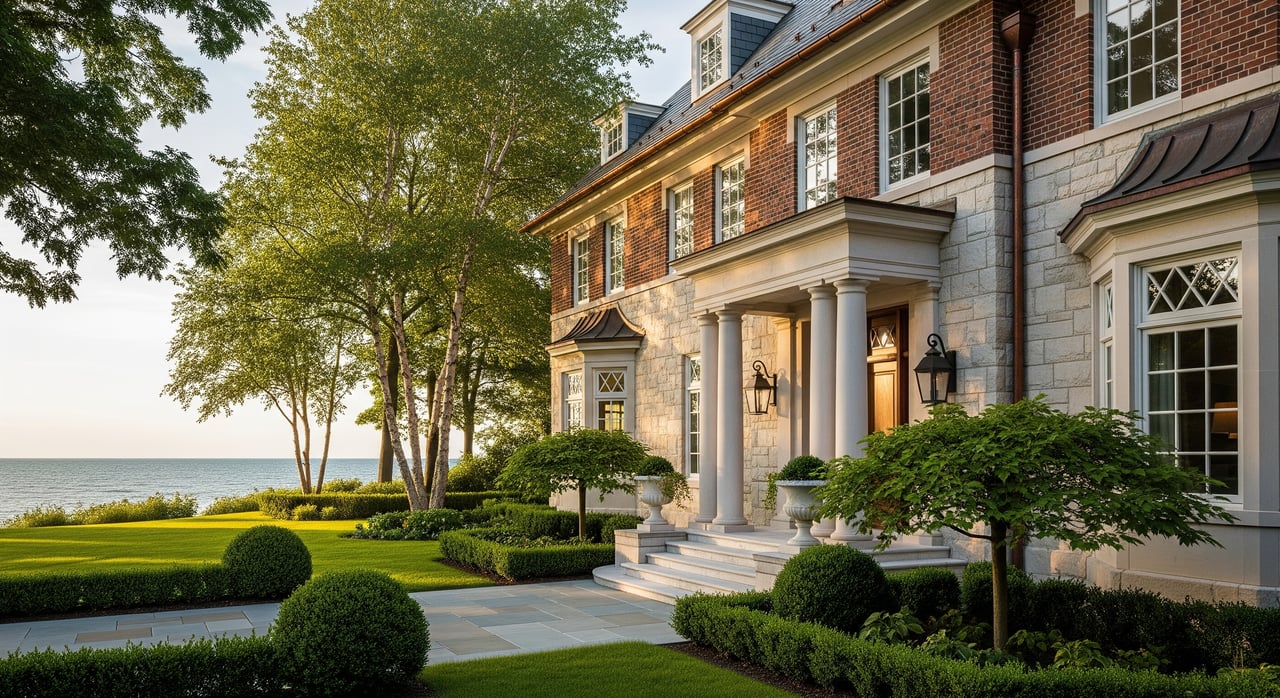
River Hills is a low‑density village in Milwaukee County’s North Shore known for large parcels and single‑family homes. You get a quiet, private setting while staying within a short drive of downtown offices, dining, and culture. The landscape favors privacy, with long driveways, mature tree cover, and significant setbacks.
If you value discretion, estate‑style living, and a stress‑reduced commute plan, River Hills fits well. The key is approaching your search with clear criteria and a tight process.
Estate lots and privacy
Lot features to expect
- Large lots, often multiple acres, with mature tree canopy and long approaches that reduce visibility from the road.
- Significant front and side setbacks that create natural buffers and a quiet environment.
- Ancillary structures are common on estate properties, such as detached garages, carriage houses, guest spaces, or equestrian elements, subject to village permits.
- Utility setups vary by parcel. Confirm whether a property has municipal sewer and water or private well and septic.
Zoning and approvals
- Zoning controls what you can add or modify, including accessory buildings, gates, and the size of any new structures.
- Verify minimum lot size, maximum lot coverage, impervious surface limits, and any tree‑removal rules with village planning staff before you commit to a project plan.
- Review deeds for any covenants, conservation easements, or restrictions that could affect improvements.
Privacy tactics that work
- Gated entries, longer drives, and layered landscaping that blend natural berms with trees for visual and sound buffering.
- Fencing solutions that fit ordinances and the property’s character.
- Off‑market previews, private showing windows, and NDAs to minimize public exposure during your search.
Commute and access
River Hills relies on arterial roads and the regional freeway network for access to Milwaukee’s employment hubs. Peak traffic can affect your schedule, so plan route tests during morning and evening rush hours and compare weekend timing.
Public transit options are limited in low‑density areas. Executives often use company vehicles, car services, or private drivers. If private aviation matters to you, evaluate proximity to general aviation options during your preview trips.
Pro tip: Build drive‑time checks into your recon visit at AM and PM peaks, then repeat once or twice to confirm consistency. Small timing shifts can save you many minutes each day.
Country clubs and lifestyle
Private country clubs and golf options are a major draw for River Hills residents. You will find a range of amenities, including golf, dining, tennis, fitness, and active social calendars. Membership availability can vary, and many clubs require a sponsor and a committee review.
When you evaluate clubs, ask about waitlists, initiation timing, dues structure, family programming, guest policies, and any reciprocal arrangements. Plan a private tour during a quiet time to get a clear sense of fit without crowd distractions.
Beyond clubs, the region offers large private lots for on‑property recreation, nearby parks and trails, and easy access to Milwaukee’s cultural venues and dining — best approached as short drives rather than walkable outings.
Home styles and market
Common styles and eras
- Older estates from the early to mid‑20th century with classic details and formal landscaping.
- Mid‑century properties with larger footprints and custom layouts.
- Newer custom luxury builds. Architecture spans Colonial, Tudor or English, Georgian, and contemporary estates.
Market realities for executives
- Inventory can be limited due to the village’s low density. Well‑matched homes may appear off‑market through broker networks.
- Appraisals for estate properties can be complex because comparable sales are limited. Plan appraisal coordination early.
- Inspections should be specialized. In addition to general inspections, consider structural, roof, septic or well, drainage, landscape or tree health, and any pool or equestrian facility evaluations.
- Taxes and insurance can be higher for large parcels and high‑value structures. Confirm assessments, floodplain status, and any creek or wetland considerations.
Due diligence checklist
- Title review for easements, covenants, or conservation restrictions.
- Zoning compliance and permit history for past improvements.
- Utility verification and any private road or drainage maintenance obligations.
- Environmental checks for wetlands, protected trees, and floodplain.
A streamlined relocation plan
Week 1: Intake and confidentiality
Start with a confidential intake call to clarify must‑haves, deal‑breakers, commute parameters, and timing. Confirm communication channels and any nondisclosure requirements. A concise brief keeps your search efficient and discreet.
Week 1–2: Research and shortlist
Your agent should compile a vetted list of 6–12 properties, including on‑market and qualified off‑market opportunities. Expect parcel maps, high‑resolution photos, floor plans, and quick facts like lot size, renovations, and privacy features. Private video previews or narrated walkthroughs help you narrow choices fast.
Week 2–3: Private previews
Schedule showings outside standard hours when possible. Combine in‑person tours with live video or 3D walkthroughs to reduce travel. Coordinate with listing brokers to limit visibility, manage entry protocols, and keep your schedule tight.
Weeks 3–8: Decision and due diligence
Run inspections and appraisals with estate‑experienced professionals. Use confidentiality clauses where appropriate and structure timing to fit corporate needs. Keep your appraisal team looped in early to align on comps for unique properties.
Contract to close: 30–60+ days
Track milestones with a central timeline that covers inspections, contingencies, financing, title review, and closing. Line up movers, storage, security, landscaping, and any immediate maintenance. For corporate transferees, prepare invoices and documentation for HR or relocation vendors.
Post‑close: 30–90 days
Plan an on‑site orientation to review systems, grounds, and seasonal maintenance. Introductions to vetted local service providers make the first months smooth and secure.
Why work with The Cottrell Team
You deserve a team that blends national luxury reach with local, construction‑informed counsel. The Cottrell Team operates under the Coldwell Banker Global Luxury banner and brings a proven record with seven‑figure and estate properties across Mequon and the North Shore. You get hands‑on guidance, discreet off‑market access, and practical advice from real construction experience.
If you are considering River Hills, we will help you evaluate privacy features, confirm zoning and utility details, and coordinate a streamlined, confidential search. Ready for a private consultation? Connect with The Cottrell Team to start your plan.
FAQs
How private can my River Hills home search be?
- Use off‑market options, NDAs, limited photo distribution, and private showing windows. Your agent can coordinate directly with listing brokers for discreet tours.
Are short‑term furnished rentals available near River Hills?
- Low‑density areas have fewer furnished options. Executive housing firms and corporate relocation partners can source furnished homes in nearby suburbs or within a short drive of Milwaukee.
What inspections should I expect for an estate property?
- In addition to general inspections, plan for structural, roof, HVAC, septic or well if applicable, drainage and grading, tree and landscape health, and any pool or equestrian facility checks.
How long does a discreet purchase usually take?
- Timelines vary by property and complexity. Many transactions close in 30–60 days, but allow extra time for appraisal and specialized inspections on large estates.
How do I evaluate country‑club fit quickly?
- Request the membership package, schedule a private tour, and ask about waitlists, costs, guest rules, family programming, and reciprocal club benefits before applying.