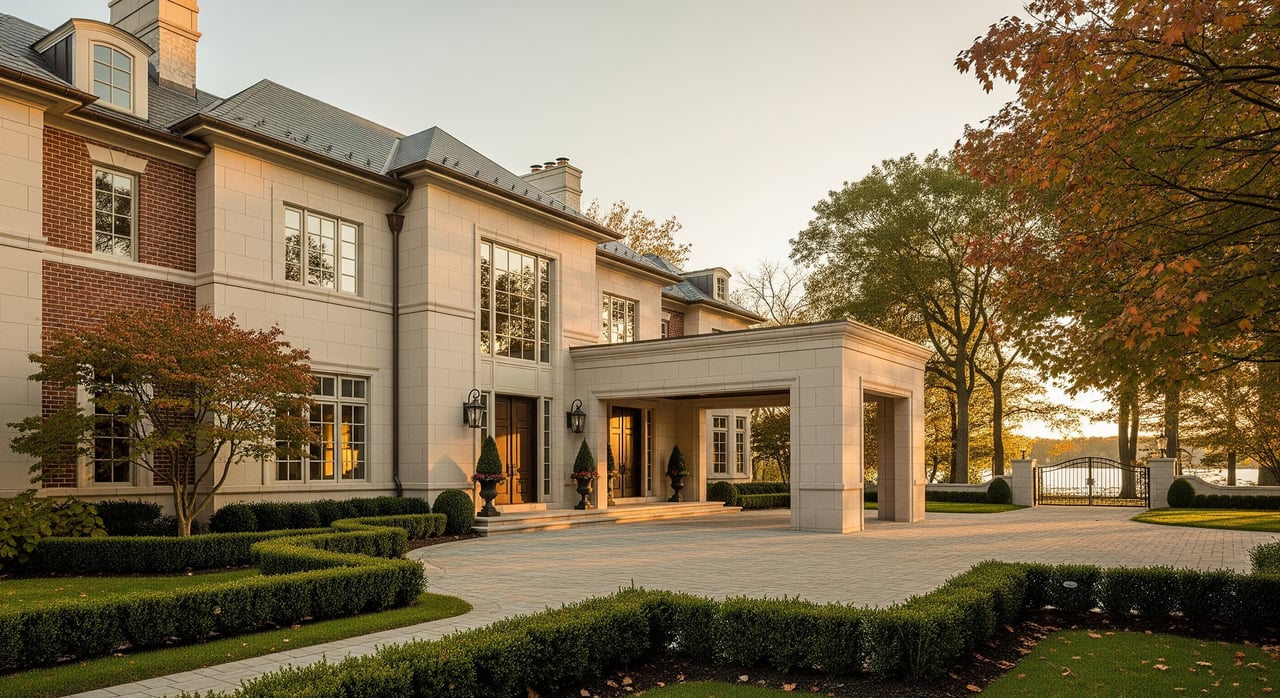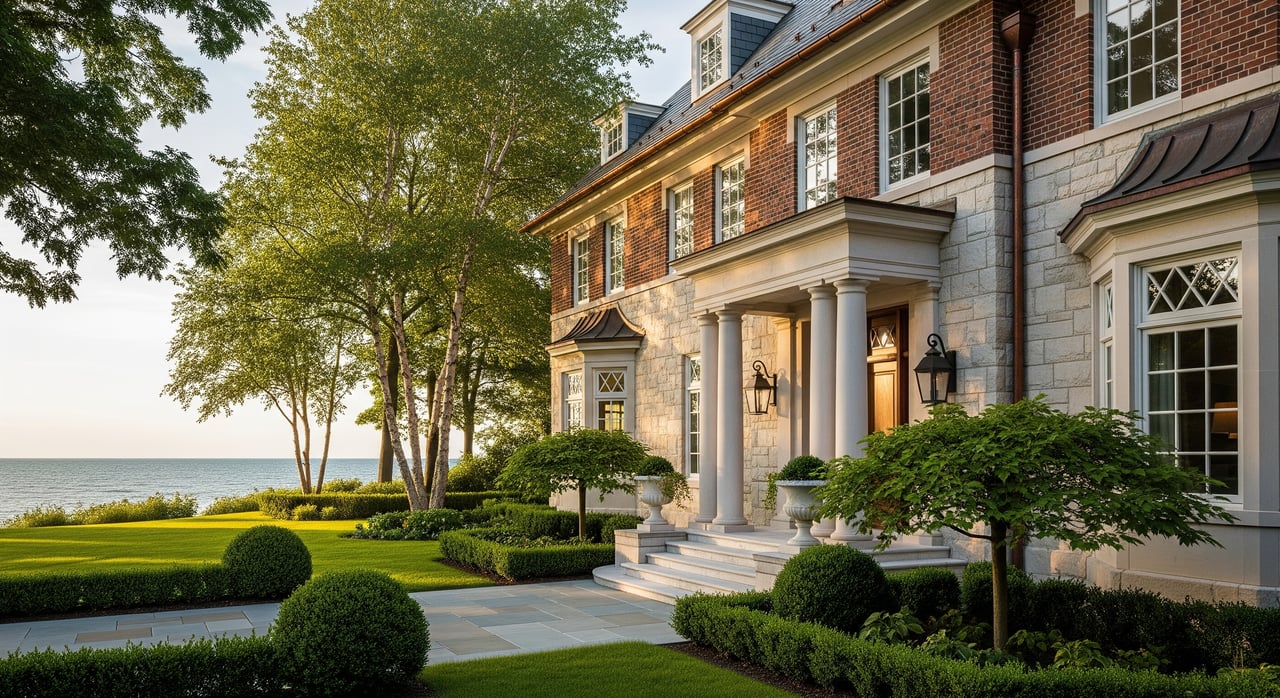
Eyeing a North Shore home and wondering if your loan will be considered “jumbo”? You are not alone. Many Whitefish Bay, Fox Point, and River Hills buyers reach price points where financing looks different and requires stronger documentation. In this guide, you will learn what a jumbo mortgage is, how current limits apply in Milwaukee County, what lenders expect, and the smartest ways to prepare. Let’s dive in.
What counts as a jumbo in Milwaukee County
A jumbo mortgage is any loan that exceeds the Federal Housing Finance Agency’s conforming loan limit for the year and property type. Loans at or below that limit can be sold to Fannie Mae or Freddie Mac. Anything above is non-conforming and falls into the jumbo category.
For 2024, the baseline conforming limits are: 1-unit at $766,550, 2-unit at $981,700, 3-unit at $1,185,950, and 4-unit at $1,472,350. Milwaukee County is not a high-cost county, so the baseline applies. A single-family loan amount above $766,550 is considered jumbo. Limits change each year, so you should verify the current FHFA limits when you plan your purchase.
On the North Shore, many listings are priced above the county median. Depending on your down payment, some Whitefish Bay, Fox Point, and River Hills homes will require jumbo financing.
How jumbo loans differ
Jumbo loans follow stricter standards than conforming loans. Lenders take on more risk because these loans are not sold to Fannie Mae or Freddie Mac. That means tighter credit requirements, larger down payments, more liquid reserves, and more documentation. Appraisals also tend to be more detailed, especially for unique or high-value properties.
What lenders look for
Credit and pricing
- Many lenders prefer credit scores in the 700–760+ range for best jumbo pricing.
- Jumbo rates can be slightly higher or similar to conforming loans depending on market conditions and your profile.
Down payment and LTV
- An 80 percent LTV or lower is common for conventional jumbo programs, which means 20 percent down or more.
- Putting 25–30 percent down can improve pricing and product options.
Debt-to-income (DTI)
- Maximum DTI often falls between 43–50 percent, depending on your credit, assets, and lender type.
- Strong compensating factors can support a higher DTI in some cases.
Cash reserves
- Expect larger reserve requirements than conforming loans. Many lenders look for 6–12 months of mortgage payments in liquid reserves, with higher amounts for larger loans or investment properties.
Income documentation
- Salaried borrowers typically provide recent pay stubs, 2 years of W-2s, and 2 years of tax returns.
- Self-employed buyers often provide 2 years of business and personal tax returns. Lenders analyze adjusted net income and may allow certain add-backs per program rules.
- Alternative programs like bank-statement or asset-depletion jumbos exist, but they usually require higher reserves and come with higher rates.
Appraisal and property type
- A full appraisal is required. Unique homes, historic properties, or those with unusual features may need specialized appraisal expertise and more time.
- Homes with unusual construction, large acreage, or special zoning typically receive extra underwriting review.
Mortgage insurance and second liens
- Private mortgage insurance is mainly a conforming loan tool. For jumbos, lenders typically require lower LTVs or a second lien if you want to put less than 20 percent down. Some portfolio lenders offer alternatives, but many prefer larger down payments over PMI.
Smart strategies to qualify in Whitefish Bay
- Increase your down payment. A 25–30 percent down payment can improve pricing, reduce risk, and expand product choices.
- Lower your DTI. Pay down revolving balances, avoid opening new credit, and postpone large monthly obligations until after closing.
- Strengthen your credit. Correct errors and avoid major credit inquiries before applying.
- Build and document reserves. Keep liquid assets stable through underwriting and closing.
- Consider a piggyback structure. An 80-10-10 setup can keep your first mortgage at or below the conforming limit while using a second lien for the remainder. Review total costs and terms before deciding.
- Explore portfolio lenders. Community banks and private banks may offer flexible jumbo programs or relationship pricing, especially for well-documented borrowers.
- Plan for time. Appraisal and underwriting for unique North Shore homes can take longer. Build a buffer into your timeline.
Choosing the right financing option
Jumbo fixed-rate mortgage
- Pros: Predictable payment and long-term rate protection. Simple for budgeting.
- Cons: Sometimes a slightly higher initial rate and larger down payment requirements.
Jumbo adjustable-rate mortgage (ARM)
- Pros: Often a lower initial rate, which can lower early payments. Useful if you expect to sell or refinance within 5–10 years.
- Cons: Payments can rise after the fixed period. There is refinancing risk if rates increase or your plans change.
Portfolio or bank-held loans
- Pros: More underwriting flexibility and potential relationship pricing.
- Cons: Less standardized and sometimes less competitive on rate.
Piggyback or HELOC combination
- Pros: Can keep the first mortgage at conforming levels and avoid PMI.
- Cons: Two payments and added complexity. The second lien may have a higher rate.
All-cash or partial cash
- Pros: Strong negotiating position and faster closings with no mortgage costs.
- Cons: Ties up liquidity and may create opportunity cost.
ARMs and rate buydowns
Common ARM structures
- 5/1, 7/1, and 10/1 are typical. The rate stays fixed for the first 5, 7, or 10 years, then adjusts annually based on an index and margin with caps.
Who ARMs fit
- Buyers planning to sell or refinance within the fixed period or those with strong reserves who can handle potential payment changes.
Local fit considerations
- If you expect to hold a North Shore home long term, weigh the ARM savings against the risk of higher payments later. Market times can vary by segment, which matters if you plan to sell before an adjustment.
Rate buydowns
- Permanent buydown: Pay points upfront to reduce your rate for the life of the loan. Good if you plan to hold the mortgage long term and can fund the upfront cost.
- Temporary buydown (2-1, 3-2-1): Lowers payments for the first 1–3 years. Helpful for easing into payments but not a substitute for qualifying at the fully indexed rate.
- Always calculate the breakeven based on points paid, monthly savings, expected holding period, and your liquidity needs.
Timeline and process on the North Shore
- Preapproval: Provide credit, income, and asset documentation. For jumbos, verifying assets can add time.
- Home search and offer: Once under contract, you can lock your rate and order the appraisal and title.
- Underwriting: Expect more documentation requests. Portfolio programs may ask for added asset detail.
- Appraisal: Unique or high-value homes may require a specialty appraiser and more time to find local comparables.
- Closing: Plan for 30–60 days or more depending on property complexity and lender capacity.
Tips for North Shore sellers
- Expect longer timelines. Jumbo buyers often require more underwriting time and a more detailed appraisal.
- Provide documentation. Renovation lists, permits, and recent improvements help appraisers and underwriters understand value.
- Be strategic on concessions. Credits toward closing costs can help buyers allocate funds, but they will not replace required down payment or reserves.
- Coordinate access. Smooth appraiser access and quick answers to property questions can keep the file moving.
Your next steps
- Verify the current FHFA conforming loan limits for your property type.
- Gather 2 years of W-2s and tax returns, recent pay stubs, and 2–3 months of asset statements.
- Price out options with multiple lenders, including a portfolio lender. Compare APR, required reserves, and appraisal timelines.
- Build a realistic closing timeline that accounts for detailed appraisal and underwriting.
If you are planning a move in Whitefish Bay, Fox Point, or River Hills, you deserve guidance that blends market expertise with practical problem solving. The Cottrell Team pairs Coldwell Banker Global Luxury reach with construction-informed advice, renovation input, and clear communication. When you want confident preparation and a smooth path to the closing table, connect with The Cottrell Team.
FAQs
What is a jumbo mortgage in Milwaukee County?
- A loan amount above the FHFA’s conforming limit for the year and property type. For 2024, a 1-unit loan above $766,550 is jumbo in Milwaukee County.
How much down for a jumbo in Whitefish Bay?
- Many lenders look for at least 20 percent down, with better pricing and options at 25–30 percent and strong reserves.
Do jumbo loans always have higher rates?
- Not always. The rate spread versus conforming changes with the market and your credit, assets, and lender.
Can self-employed buyers get a jumbo loan?
- Yes. Expect 2 years of personal and business tax returns, with lenders analyzing adjusted business income. Alternative programs may require larger reserves.
Do jumbo loans use PMI?
- PMI is mainly for conforming loans. For jumbos, lenders often require lower LTVs or use a second lien rather than PMI.
How long do jumbo closings take on the North Shore?
- Plan for 30–60 days or more. Unique or high-value homes can extend appraisal and underwriting timelines.